Buy megachecker.net ?
We are moving the project
megachecker.net .
Are you interested in purchasing the domain
megachecker.net ?
domain@kv-gmbh.de · 0541-91531010
Buy megachecker.net ?
What is a pedigree analysis in biology?
A pedigree analysis in biology is a method used to study the inheritance of traits within a family. It involves the construction of a family tree that shows the presence or absence of a particular trait across multiple generations. By analyzing the patterns of inheritance within the pedigree, scientists can determine whether a trait is inherited in a dominant, recessive, or X-linked manner. This information is valuable for understanding the genetic basis of diseases and for predicting the likelihood of a trait being passed on to future generations. **
How does pedigree analysis work in biology?
Pedigree analysis in biology involves studying the inheritance patterns of specific traits or genetic disorders within a family over multiple generations. By examining the family tree or pedigree chart, geneticists can trace the transmission of a particular trait or disorder and determine whether it is inherited in a dominant, recessive, or X-linked manner. This analysis helps in understanding the genetic basis of diseases, predicting the likelihood of an individual inheriting a particular trait, and identifying carriers of genetic disorders within a family. Pedigree analysis is a valuable tool in genetics research and can provide insights into the inheritance patterns of various traits and diseases. **


Similar search terms for Biology
Top-Angebote
Products related to Biology:
-
A Derma Biology Make-Up Remover Lotion 400mLA make-up remover. With 99% ingredients of natural origin, it combines the requirement and dermatological efficacy. Its formula contains an active ingredient of the Biology line, Oat Sap Rhealba® BIO, cleans and eliminates pollution particles and impurities, gently removing makeup without drying the skin.13,12 £*Shipping: 6,94 £Secure redirect to the provider



-
What is the evaluation of the potato experiment in biology?
The evaluation of the potato experiment in biology would depend on the specific objectives and hypotheses of the experiment. Generally, the evaluation would involve analyzing the data collected during the experiment to determine if there were any significant differences or patterns observed. This could include measuring factors such as the growth rate of the potatoes, the effects of different variables on their growth, or any other parameters being studied. The results of the evaluation would then be used to draw conclusions and potentially make recommendations for further research or applications in the field of biology. **
-
What is the question about pedigree analysis in biology?
Pedigree analysis in biology involves studying the inheritance patterns of traits within a family over multiple generations. The main question in pedigree analysis is how a particular trait is passed down from one generation to the next. By examining the pedigree chart, researchers can determine whether the trait is dominant or recessive, and whether it is linked to a specific gene or chromosome. This analysis helps in understanding the genetic basis of inherited traits and diseases within a population. **
-
What is the question regarding pedigree analysis in biology?
The question regarding pedigree analysis in biology typically revolves around understanding the inheritance patterns of specific traits or genetic disorders within a family. Researchers use pedigree analysis to trace the transmission of traits through generations and determine whether they follow Mendelian inheritance patterns. By studying pedigrees, scientists can also identify the mode of inheritance (autosomal dominant, autosomal recessive, X-linked, etc.) of a particular trait or disorder, which can provide valuable insights into genetic counseling and disease management. **
-
What is the question for pedigree analysis in biology?
The question for pedigree analysis in biology is typically focused on understanding the inheritance pattern of a specific trait or genetic disorder within a family. Researchers and genetic counselors use pedigree analysis to determine whether a trait is dominant or recessive, and to predict the likelihood of a particular trait or disorder being passed on to future generations. By examining the family tree and analyzing the presence or absence of the trait in different generations, scientists can gain insights into the genetic basis of the trait and its potential impact on future offspring. **

How are two diseases related in terms of pedigree analysis in biology?
In pedigree analysis in biology, two diseases can be related if they are caused by mutations in the same gene or if they are inherited in a similar pattern. For example, if both diseases are inherited in an autosomal recessive manner, they may appear in the same pedigree. Additionally, if the diseases are caused by mutations in genes that are closely linked on the same chromosome, they may be inherited together more frequently. By studying the inheritance patterns of these diseases in pedigrees, researchers can gain insights into the genetic basis of the diseases and how they are related. **
What is the question about pedigree analysis 2 in the biology assignment?
The question about pedigree analysis 2 in the biology assignment likely asks students to analyze a specific pedigree chart and determine the mode of inheritance for a particular trait or disease. Students may be asked to identify the pattern of inheritance (autosomal dominant, autosomal recessive, X-linked dominant, X-linked recessive) and to explain their reasoning based on the information provided in the pedigree. Additionally, students may be asked to interpret the likelihood of a particular individual inheriting the trait or disease based on their position in the pedigree. **
Top-Angebote
Products related to Biology:
-
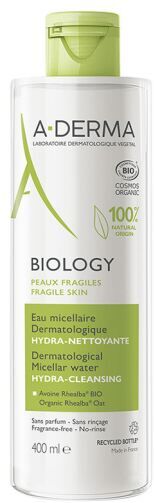
A Derma Biology Micellar Water 400mLA micellar water. This micellar cleansing water with ingredients 100% of natural origin, with great tolerance, combines the requirement and dermatological effectiveness. Its formula contains an active ingredient of the Biology line, Oat Sap Rhealba® BIO, cleans and eliminates pollution particles and impurities, gently removing makeup without drying the skin.12,54 £*Shipping: 6,94 £Secure redirect to the provider
-
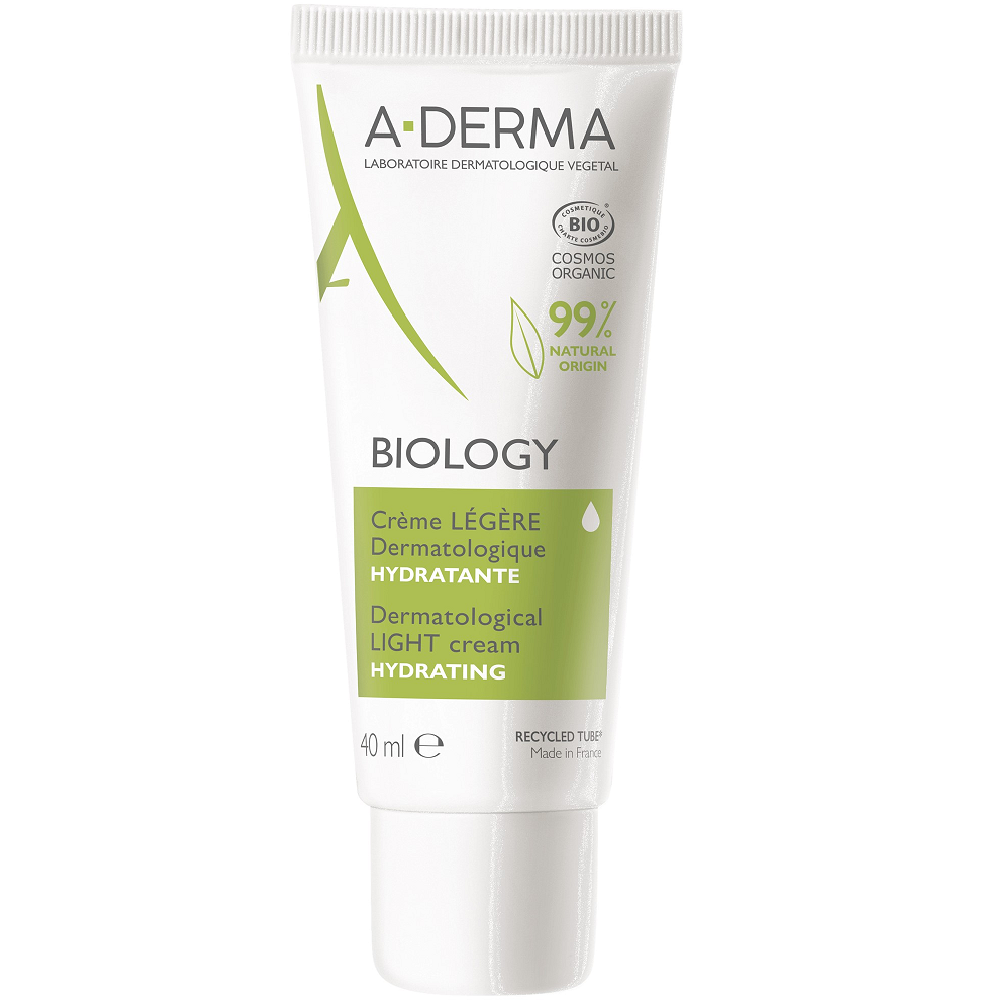
A Derma Biology Soothing Cream 40mLA perfume. Developed to moisturize, rebalance and soothe the reactive skin, it's unique and innovative care with dermatological certification. Thanks to its active ingredients: Oat Sap Rhealba® BIO, with rebalancing and moisturizing properties and the combination of Cola Nut, immediately reduces the sensations of discomfort.14,77 £*Shipping: 4,12 £Secure redirect to the provider
-
What is a pedigree analysis in biology?
A pedigree analysis in biology is a method used to study the inheritance of traits within a family. It involves the construction of a family tree that shows the presence or absence of a particular trait across multiple generations. By analyzing the patterns of inheritance within the pedigree, scientists can determine whether a trait is inherited in a dominant, recessive, or X-linked manner. This information is valuable for understanding the genetic basis of diseases and for predicting the likelihood of a trait being passed on to future generations. **
-
How does pedigree analysis work in biology?
Pedigree analysis in biology involves studying the inheritance patterns of specific traits or genetic disorders within a family over multiple generations. By examining the family tree or pedigree chart, geneticists can trace the transmission of a particular trait or disorder and determine whether it is inherited in a dominant, recessive, or X-linked manner. This analysis helps in understanding the genetic basis of diseases, predicting the likelihood of an individual inheriting a particular trait, and identifying carriers of genetic disorders within a family. Pedigree analysis is a valuable tool in genetics research and can provide insights into the inheritance patterns of various traits and diseases. **
-
What is the evaluation of the potato experiment in biology?
The evaluation of the potato experiment in biology would depend on the specific objectives and hypotheses of the experiment. Generally, the evaluation would involve analyzing the data collected during the experiment to determine if there were any significant differences or patterns observed. This could include measuring factors such as the growth rate of the potatoes, the effects of different variables on their growth, or any other parameters being studied. The results of the evaluation would then be used to draw conclusions and potentially make recommendations for further research or applications in the field of biology. **
-
What is the question about pedigree analysis in biology?
Pedigree analysis in biology involves studying the inheritance patterns of traits within a family over multiple generations. The main question in pedigree analysis is how a particular trait is passed down from one generation to the next. By examining the pedigree chart, researchers can determine whether the trait is dominant or recessive, and whether it is linked to a specific gene or chromosome. This analysis helps in understanding the genetic basis of inherited traits and diseases within a population. **
Similar search terms for Biology
-
A Derma Biology Make-Up Remover Lotion 400mLA make-up remover. With 99% ingredients of natural origin, it combines the requirement and dermatological efficacy. Its formula contains an active ingredient of the Biology line, Oat Sap Rhealba® BIO, cleans and eliminates pollution particles and impurities, gently removing makeup without drying the skin.13,12 £*Shipping: 6,94 £Secure redirect to the provider
-
A-DERMA Biology Anti-Redness Cream 40 mlHealth and Beauty Creams A-DERMA Biology Anti-Redness Cream 40 ml What is A-Derma Biology Anti-Redness Cream 40 ml? A-Derma Biology Anti-Redness Cream is a specialized 40 ml treatment designed to soothe and reduce the appearance of redness on sensitive skin. Enriched with Rhealba Oat Seedling Extract, a naturally sourced, organically cultivated active ingredient, this cream provides an effective solution to calm the skin and improve its tone and texture. Benefits: Redness reduction: Acts directly on skin redness, reducing its intensity and frequency. Soothing and comforting: Immediately relieves the sensation of heat and tightness associated with irritated skin. Skin Barrier Strengthening: Helps strengthen the skin barrier to protect against external irritants that can cause redness. Hydration and protection: Provides long-lasting hydration and protects skin from environmental damage. Who is it for? A-Derma Biology Anti-Redness Cream is ideal for people with sensitive or rosacea-prone skin looking for an effective solution to manage and reduce redness. It is suitable for all those who need special care that respects and soothes their skin. How do I apply it? (Product use) Application: Apply a small amount of cream to clean, dry skin, concentrating on areas of redness. Massage: Gently spread with circular movements to promote absorption without irritating the skin. Frequency: Use the cream daily, morning and night, for best results. Complement: For comprehensive care, use gentle facial cleansing products before applying cream and consider sunscreen during the day to protect your skin from factors that can aggravate redness. Buy A-Derma Biology Anti-Redness Cream 40 ml. Visit our online store to purchase A-Derma Biology Anti-Redness Cream 40 ml and start caring for your skin with an advanced formula designed to soothe and reduce redness. Our purchasing process is easy and secure, ensuring you receive an authentic and effective product for your daily care. Get this treatment and experience more even and comfortable skin.18,64 £*Shipping: 3,99 £Secure redirect to the provider
-
A-DERMA Biology Dermatological Micellar Water 400 mlHealth and Beauty Facial Cleansing A-DERMA Biology Dermatological Micellar Water 400 ml What is A-Derma Biology Dermatological Micellar Water 400 ml? A-Derma Biology Dermatological Micellar Water is a gentle yet effective facial cleanser designed to purify and soothe the skin without causing irritation. Presented in a 400 ml container, this product uses a biodegradable formula and is enriched with organically grown Rhealba Oat extract, offering care that is both environmentally friendly and gentle on your skin. Benefits: Deep cleansing: Effectively removes makeup, impurities and excess sebum without rinsing. Skin and environmental friendly: Formulated without perfume and with biodegradable ingredients. Soothes and softens: Ideal for reducing the feeling of tightness, leaving the skin soft and comfortable. Ideal for sensitive skin: Its hypoallergenic, alcohol-free formula ensures optimal tolerance for all skin types, even the most sensitive. Who's it for? A-Derma Biology Dermatological Micellar Water is perfect for people looking for an effective facial cleanser that's gentle and kind to both their skin and the environment. It's ideal for users of all skin types, including those with sensitive or irritation-prone skin. How do I apply it? (Product use) Application: Soak a cotton ball with micellar water. To use: Gently wipe the cotton ball over your entire face, eyes, and lips, repeating the process until the ball is clean. Frequency: Use daily, morning and/or night, as part of your facial cleansing routine. No rinse: You don't need to rinse, as its formula leaves your skin fresh and residue-free. Buy A-Derma Biology Dermatological Micellar Water 400 ml. Visit our online store to purchase A-Derma Biology Dermatological Micellar Water 400 ml and transform your facial care routine. This product not only cleanses and soothes, but also respects your skin and the environment. Place your order today and enjoy the benefits of a gentle and effective facial cleansing.12,52 £*Shipping: 3,99 £Secure redirect to the provider
-
What is the question regarding pedigree analysis in biology?
The question regarding pedigree analysis in biology typically revolves around understanding the inheritance patterns of specific traits or genetic disorders within a family. Researchers use pedigree analysis to trace the transmission of traits through generations and determine whether they follow Mendelian inheritance patterns. By studying pedigrees, scientists can also identify the mode of inheritance (autosomal dominant, autosomal recessive, X-linked, etc.) of a particular trait or disorder, which can provide valuable insights into genetic counseling and disease management. **
-
What is the question for pedigree analysis in biology?
The question for pedigree analysis in biology is typically focused on understanding the inheritance pattern of a specific trait or genetic disorder within a family. Researchers and genetic counselors use pedigree analysis to determine whether a trait is dominant or recessive, and to predict the likelihood of a particular trait or disorder being passed on to future generations. By examining the family tree and analyzing the presence or absence of the trait in different generations, scientists can gain insights into the genetic basis of the trait and its potential impact on future offspring. **
-
How are two diseases related in terms of pedigree analysis in biology?
In pedigree analysis in biology, two diseases can be related if they are caused by mutations in the same gene or if they are inherited in a similar pattern. For example, if both diseases are inherited in an autosomal recessive manner, they may appear in the same pedigree. Additionally, if the diseases are caused by mutations in genes that are closely linked on the same chromosome, they may be inherited together more frequently. By studying the inheritance patterns of these diseases in pedigrees, researchers can gain insights into the genetic basis of the diseases and how they are related. **
-
What is the question about pedigree analysis 2 in the biology assignment?
The question about pedigree analysis 2 in the biology assignment likely asks students to analyze a specific pedigree chart and determine the mode of inheritance for a particular trait or disease. Students may be asked to identify the pattern of inheritance (autosomal dominant, autosomal recessive, X-linked dominant, X-linked recessive) and to explain their reasoning based on the information provided in the pedigree. Additionally, students may be asked to interpret the likelihood of a particular individual inheriting the trait or disease based on their position in the pedigree. **
* All prices are inclusive of VAT and, if applicable, plus shipping costs. The offer information is based on the details provided by the respective shop and is updated through automated processes. Real-time updates do not occur, so deviations can occur in individual cases. ** Note: Parts of this content were created by AI.